Buying crypto is easy. Keeping it safe is where most people get tripped up.
A lot of losses in crypto don’t come from bad trades or market crashes. They come from hacks, phishing links, fake apps, and leaving funds in places that were never meant for long-term storage.
If you plan to hold crypto for any length of time, how you store it matters just as much as what you buy.
Why Crypto Storage Is a Bigger Deal Than Most People Think
When you buy crypto on an exchange, the exchange controls the private keys — not you.
That means if the exchange:
- Gets hacked
- Freezes withdrawals
- Locks your account
- Goes offline
Your crypto is affected whether you made a mistake or not.
Software wallets can be better, but they still live on devices connected to the internet. Phones, browsers, and computers all get compromised more often than people realize.
In crypto, there’s a simple rule that explains most losses:
If you don’t control the private keys, you don’t fully control the crypto.
The Problem With Exchanges and Software Wallets
Exchanges and software wallets are convenient. That’s why people use them.
But convenience comes with tradeoffs.
With software wallets and exchanges, your private keys can be exposed through:
- Phishing emails
- Fake wallet apps
- Malicious browser extensions
- Malware that swaps wallet addresses
- Compromised devices
Most people who lose crypto didn’t think they were being careless. They just trusted the wrong link or left funds somewhere too long.
That’s where hardware wallets come in.
What a Hardware Wallet Actually Does
A hardware wallet is a small physical device that keeps your private keys offline.
The keys never leave the device.
When you send crypto:
- Your computer or phone creates the transaction
- The hardware wallet receives it
- You approve it on the device itself
- The transaction is sent — without exposing your keys
Even if your computer is infected, the attacker still can’t move your funds without access to the hardware wallet.
That’s why hardware wallets are widely considered the safest way to store cryptocurrency.
Why Many People Use Ledger for Cold Storage
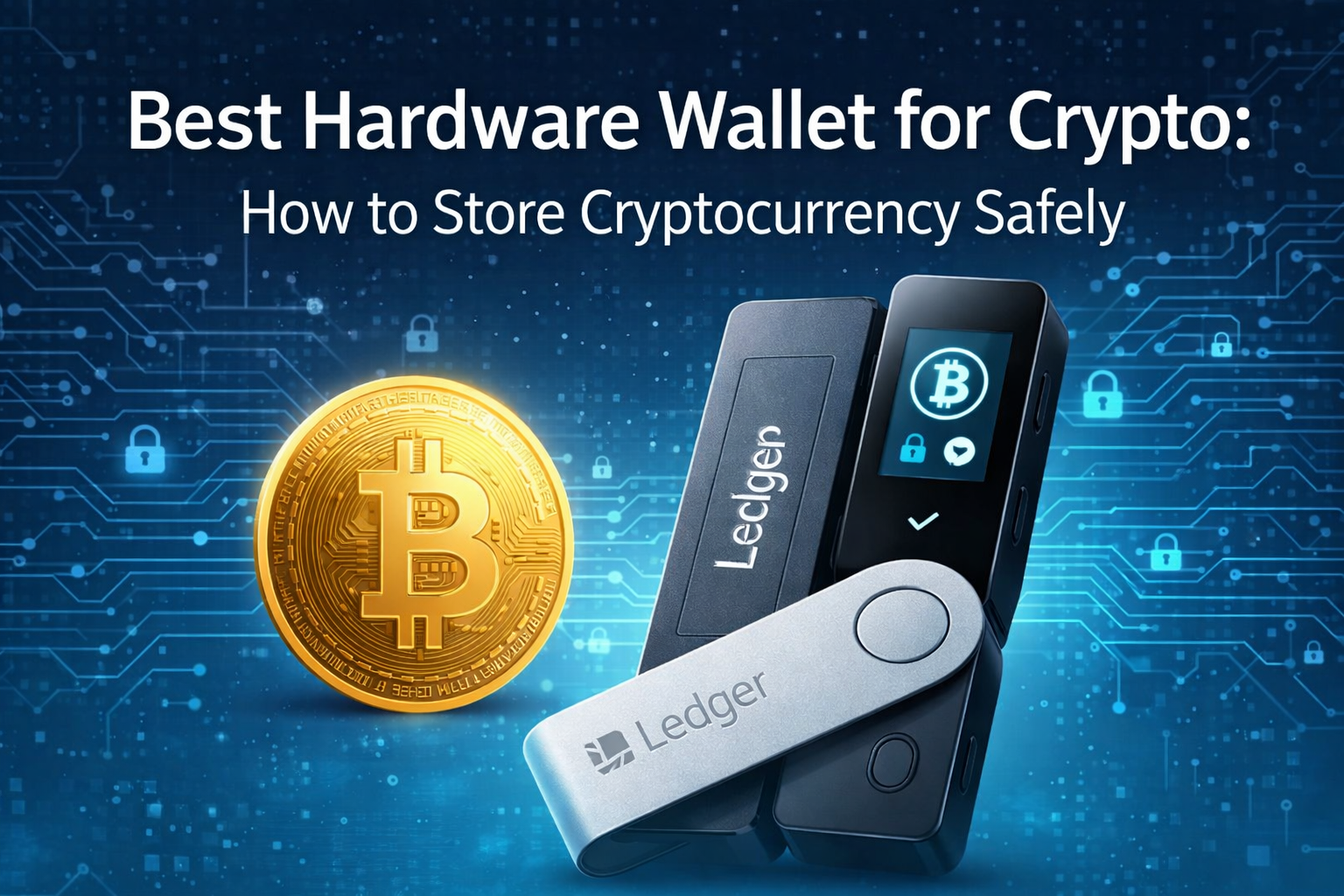
Ledger is one of the most well-known hardware wallet brands in crypto.
Ledger devices are built so private keys stay inside a secure chip and every transaction requires physical confirmation. That design helps protect against common threats like phishing, fake apps, and compromised computers.
Ledger wallets are commonly used by:
- Long-term holders
- Beginners who want extra security
- People holding more than a small amount of crypto
- Anyone who wants full control over their keys
If you want to see Ledger’s official hardware wallets, you can view them here:
https://shop.ledger.com/?r=0b0ebd2303c5
Who a Hardware Wallet Makes Sense For
A hardware wallet isn’t required for everyone, but it’s worth considering if you:
- Plan to hold crypto long term
- Want to reduce risk from hacks and scams
- Are tired of worrying about phishing links
- Hold enough crypto that losing it would hurt
Many people start with an exchange or software wallet and move to a hardware wallet once they understand how self-custody works.
Mistakes a Hardware Wallet Helps Prevent
Using a hardware wallet like Ledger can lower the risk of:
- Fake wallet apps
- Phishing transactions
- Malicious browser extensions
- Clipboard malware
- Exchange shutdowns or freezes
No security setup is perfect, but keeping private keys offline removes a lot of common attack paths.
Final Thoughts
Crypto gives you control over your money, but that control comes with responsibility.
If your goal is to hold crypto safely and avoid preventable losses, a hardware wallet is one of the simplest and most effective steps you can take.
For people looking to store crypto offline and keep full control of their private keys, Ledger is a widely used option built specifically for that purpose.
 Learn more about Ledger hardware wallets here: https://shop.ledger.com/?r=0b0ebd2303c5
Disclosure
This article may contain affiliate links. If you choose to purchase through them, we may earn a commission at no additional cost to you.