


★★★★★
Crypto Safety Guide has been a game changer for me! The step-by-step guides and clear explanations helped me understand how to securely manage my cryptocurrency. I feel much more confident in my investments now, thanks to their comprehensive resources and tips on protecting my digital assets. Highly recommend it to anyone looking to navigate the crypto world safely!
Hana Morsi
Crypto Safety Guide
What is cryptocurrency security?
Cryptocurrency security refers to the measures and practices that protect digital assets from theft, loss, or unauthorized access. This includes using secure wallets, enabling two-factor authentication, and being aware of phishing scams. Understanding these aspects is crucial for anyone looking to safely manage their cryptocurrency investments.
How can I safely store my cryptocurrency?
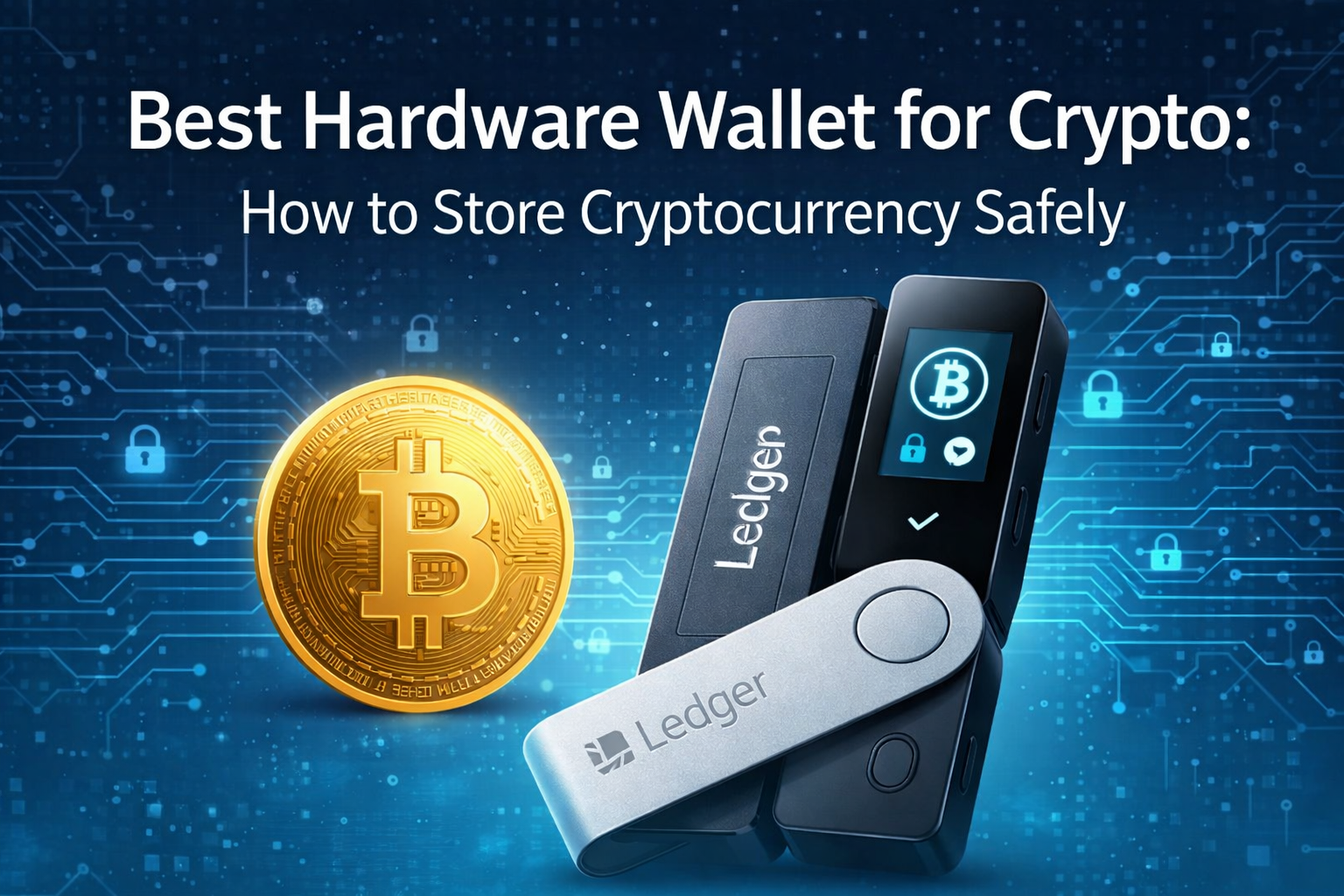
To safely store your cryptocurrency, consider using hardware wallets, which are offline devices that provide enhanced security. Additionally, ensure you back up your wallet and use strong, unique passwords. Regularly update your software and be cautious of sharing sensitive information to minimize risks.
What are the best practices for trading crypto?
Best practices for trading cryptocurrency include conducting thorough research before investing, diversifying your portfolio, and setting clear investment goals. Use reputable exchanges, keep your software updated, and be mindful of market trends. Always invest only what you can afford to lose to mitigate risks.
What should I do if I lose access to my wallet?
If you lose access to your wallet, first try to recover it using your backup phrase or private keys. If that fails, contact the wallet provider for assistance. Always keep your recovery information secure and consider using a password manager to store sensitive data safely.
How do I identify a secure exchange?
To identify a secure exchange, look for platforms with strong security measures, such as two-factor authentication, cold storage for funds, and a good reputation in the community. Check for regulatory compliance and read user reviews to ensure the exchange has a history of protecting user assets.
What are common scams in cryptocurrency?
Common scams in cryptocurrency include phishing attacks, Ponzi schemes, and fake initial coin offerings (ICOs). Always verify the legitimacy of projects and be cautious of offers that seem too good to be true. Educating yourself about these scams can help you avoid falling victim.